When we started thinking about changing our family car, I was mostly looking for something practical: big enough for a toddler and a pushchair, efficient to run, and not an environmental write-off. I didn’t expect to end up in the electric car rabbit hole.
But after a few weeks of research, cost crunching, and test drives, we went electric — and haven’t looked back (mostly).
Here’s why we made the switch to an EV for family life — and what genuinely surprised me about the experience.
⚡ Why We Considered Going Electric
Fuel costs were climbing. Our old car was starting to groan at the thought of another long motorway trip. And honestly? I wanted something that felt a bit future-proof.
Add to that:
- Congestion charges becoming a real thing
- Access to workplace charging
- The reality that most of our driving is short-haul, not cross-country
An EV started to make more sense.
👨👩👧 What We Needed From a Family Car
Like most parents, I wasn’t chasing performance stats. I was chasing boot space and sanity.
Our must-haves:
- Enough room for a toddler, buggy, and weekend bags
- Good range (but not obsessive)
- Comfort for long drives
- Isofix seats, rear doors that open wide, and room for snack trays
We test drove a few — from budget-friendly MG4s to more premium options like the Skoda Enyaq — and eventually landed somewhere in the middle.
⚠️ The Surprises No One Told Me
1. Charging isn’t always straightforward
Home charging is brilliant. Public charging… still a bit wild west.
We’re lucky to have a home charger, which I now realise is half the battle. Without it, I’d probably feel very different about the switch.
2. You become range-aware, but not range-anxious
Most days we drive 15–20 miles. Once you learn the rhythm (and stop obsessively checking the %), it just works.
3. It’s weirdly quiet — in a good way
It’s like parenting in whisper mode. No engine noise when they’re asleep? Magic.
4. You still need to think like a dad
The boot gets full fast. You’ll still need to vacuum out raisins. And no, the car doesn’t magically make soft play any more enjoyable.
💷 Are EVs Actually Cheaper?
Upfront? No. But:
- Our monthly “fuel” cost is now under £30
- Maintenance has been minimal (no oil, no gears, fewer moving parts)
- We’re exempt from ULEZ and congestion charges when visiting family in London
It’s not just about money, though. It’s about the mental load of driving. Fewer petrol station stops. Pre-warmed cars. Smoother commutes. Small wins add up.
🧠 Related post: The Mental Load of Being a Dad (And How to Lighten It)
🏠 What It’s Like Charging at Home (and Why It Matters)
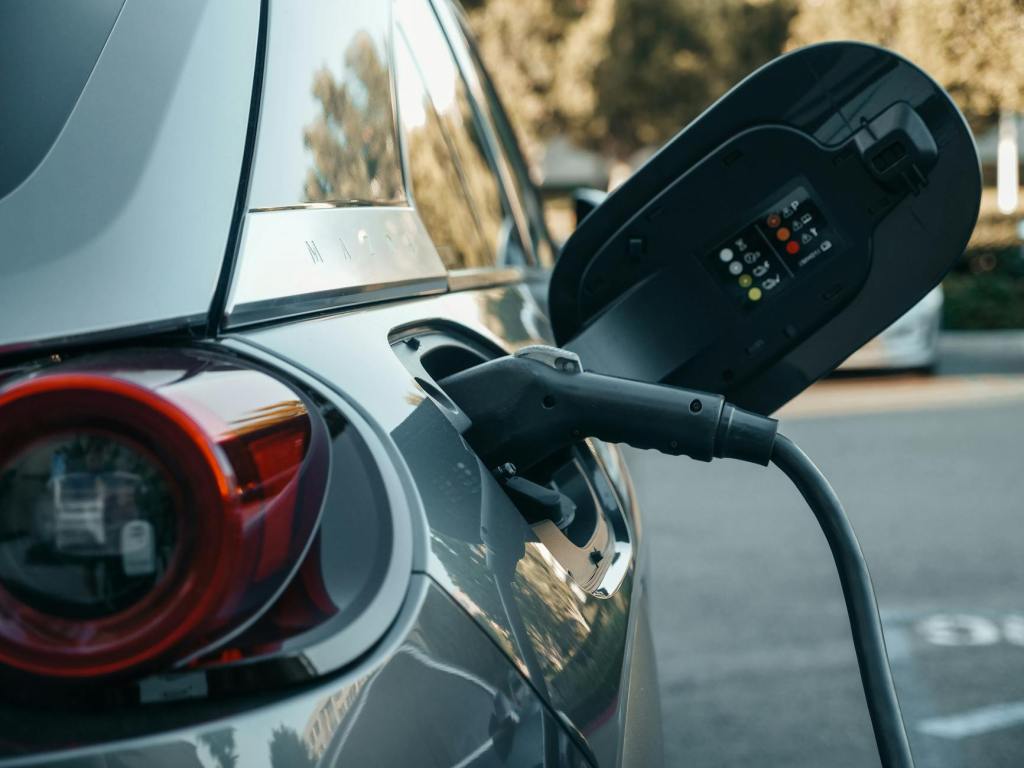
Installing a home charger made the entire EV experience practical for us. We went with a 7kW wall box charger through a local electrician. It charges our car from empty to full in about 8 hours — so we just plug in overnight and wake up to a “full tank.”
We also take advantage of cheaper off-peak electricity by using a smart tariff, which brings our charging cost down to around 7p per kWh. That’s roughly £6 for a full charge — and it lasts us almost a week with local family driving.
💡 Tip: If you’re considering an EV and can’t get a home charger installed (e.g. if you rent or don’t have off-street parking), it’s worth checking how many public chargers are within walking distance — and whether they actually work consistently.
👶 Is an EV Family-Proof?
Here’s what we’ve found with a toddler in tow:
- Rear-facing car seats fit fine (we drive a crossover-style EV)
- The silence is a genuine help with naps and bedtime returns
- Instant heating is a winter lifesaver — no waiting 5 minutes to demist
- Regenerative braking makes stop-start driving smoother, which actually helps prevent the dreaded backseat spills
And the boot space? Better than expected — we can still fit a folded buggy, travel potty, and nappy bag with room to spare.
🔋 The Only Downsides We’ve Noticed
I want to be honest, too. Here are the compromises:
- Public charging can be hit-and-miss (especially on bank holidays)
- Long journeys require planning (charging stops add 15–30 mins)
- Some EVs have too much tech — menus buried behind touchscreens can be distracting
But for our day-to-day life — nursery runs, supermarket trips, countryside drives — it’s been easy, comfortable, and (surprisingly) fun.
🚘 How It Compares to Our Old Car
We came from a 2014 petrol estate. Here’s the head-to-head:
| Feature | Old Petrol Estate | Our EV |
|---|---|---|
| Monthly running cost | ~£160 (fuel) | ~£30 (electricity) |
| Servicing | Yearly + oil + MOT | Annual health check |
| Driving experience | Loud, fine | Silent, smooth |
| Storage | Good | Slightly better |
| Charge/fill-up time | 5 mins petrol stop | Overnight at home |
So far? The EV wins — unless you’re doing a weekly 400-mile commute.
✅ Final Thoughts from The Sorted Dad
Making the switch to an EV isn’t a one-size-fits-all move. It’s not the right choice for every family or every budget. But for us, it’s reduced stress, simplified driving, and saved us money in the long run.
Would I do it again? Definitely.
Would I recommend it to every dad I know? Only if they’ve got a driveway, short commutes, and are tired of overpriced petrol.




 The Sorted Dad
Leave a comment