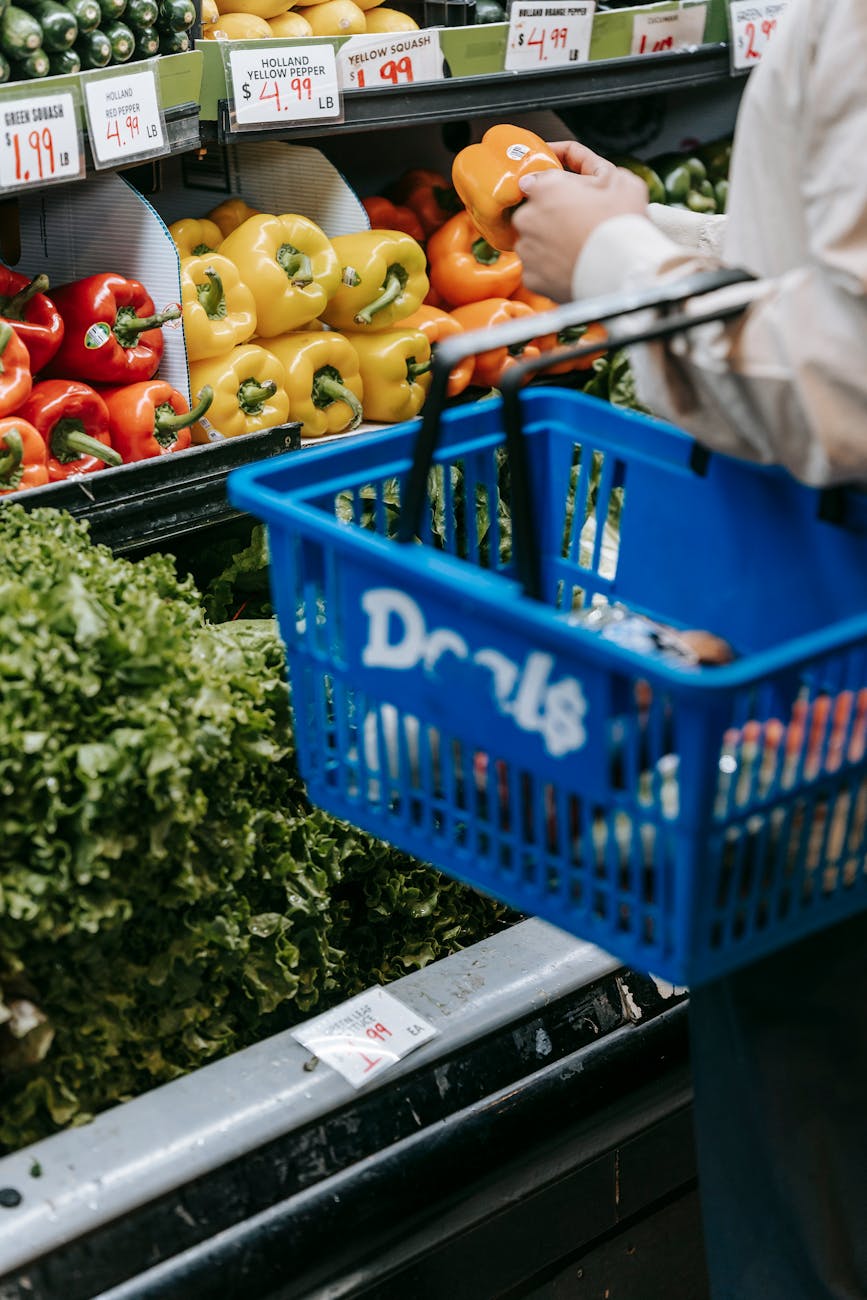
Groceries are one of the biggest regular expenses for families — and one of the easiest to lose control of. Between toddler snacks, impulse buys, and “quick trips” that end in a £60 checkout, it adds up fast.
At one point, my partner and I were spending well over £600 a month on food — and half the time it felt like we still had “nothing to eat.” So we made some big, realistic changes. No extreme couponing. No “rice and beans” austerity. Just smart shifts that brought our bill down by around £150 a month — without compromising on quality, nutrition, or our sanity.
Here’s exactly how we did it.
1. We Switched to a Weekly Meal Plan (But Kept It Flexible)
Weekly meal planning used to sound exhausting to me. But once we gave it a go, it turned out to be the simplest way to shop smart and avoid waste.
We now:
- Plan 5 dinners per week (leaving 2 for leftovers or spontaneous meals)
- Base meals around what we already have and what’s on offer
- Write the plan down and stick it on the fridge
Having a plan also means we waste less food and avoid “screw it, let’s just get a takeaway” moments.
2. We Do One Big Weekly Shop, Not Loads of Little Ones
The more times you go into Tesco or Aldi, the more you spend. It’s that simple.
By switching to:
- One main shop each week (usually online)
- A small top-up midweek for milk or fresh fruit
…we stopped those £12–£20 random spend runs. That alone saved us around £40–£50 per month.
3. We Use a Shared Shopping List App
We use Google Keep (free) to manage a shared shopping list. It means:
- My partner and I can both add items throughout the week
- No more doubling up or forgetting things
- Easier to cross-reference with what’s in the fridge
That one change helped us shop more deliberately and less reactively.
4. We Buy More Frozen & Tinned Goods
Frozen veg is just as nutritious, cheaper, and lasts way longer. Tinned tomatoes, beans, and pulses are lifesavers.
Examples we now swear by:
- Frozen chopped onion & garlic (no waste)
- Tinned chickpeas, black beans, lentils
- Frozen berries for smoothies
- Frozen chicken or fish when on offer
It’s not about cutting quality — it’s about using smarter ingredients that won’t go off before you use them.
5. We Ditched Most Brand-Name Items
I was loyal to certain brands (especially for cereal, snacks and yoghurts), but we trialled supermarket alternatives and found:
- 70% of the time, they’re just as good
- Some are better (Aldi’s Greek yoghurt > most big brands)
- Our weekly savings on swaps = ~£12
We still buy a few branded items — but they’re the exception now, not the rule.
6. We Cut Down on Meat (But Didn’t Go Full Veggie)
Meat was one of our biggest weekly costs — so we reduced, not eliminated.
- We now have 2–3 vegetarian meals per week
- Use meat more sparingly (e.g. bacon lardons instead of full packs)
- Buy larger cuts to stretch across meals (e.g. roast chicken = 3 dinners)
Lentil curries, veggie chillies, and bean burritos are now staples — and nobody misses a thing.
7. We Batch Cook & Freeze
Making double portions takes barely any extra time but saves loads during busy weeks.
Now we batch cook:
- Spag bol with lentils and mushrooms
- Veggie curry
- Chilli con carne
- Mac and cheese (freezes surprisingly well)
Batch cooking has saved us money, stress and energy. And it’s great for those nights when you can’t be bothered to cook but still want to avoid takeout.
8. We Stopped Taking the Toddler Shopping
This one’s simple: shopping without a small child = fewer bribes, fewer distractions, and fewer “surprise” items in the trolley.
If one of us shops solo or we do it online, we stick to the plan and avoid the crisps/toys/smoothie pouch trap.
9. We Track Our Food Spending (Without Getting Obsessive)
We don’t track every item, but we now review:
- Our weekly food spend (via bank app or spreadsheet)
- Which shops are creeping up (Tesco deliveries can be sneaky)
- Any repeat waste (like salad going off or uneaten yoghurts)
That awareness alone has helped us make smarter choices.
10. We Still Leave Room for Treats
Saving money doesn’t mean never having snacks, drinks or desserts. We just:
- Budget for them as part of the shop
- Buy them in larger/cheaper formats (e.g. multipacks)
- Focus on value-for-money treats — homemade brownies > £3 chocolate pots
This way, we still enjoy treats as a family — without blowing the budget every week.
Real Numbers: Before vs After
| Category | Before (£/mo) | After (£/mo) |
|---|---|---|
| Main supermarket shop | £450 | £320 |
| Top-ups & extras | £150 | £130 |
| Takeaways/snacks | £80 | £50 |
| Total | £680 | ~£530 |
That’s a saving of around £150/month — or £1,800 a year.
Final Thoughts: It’s About Consistency, Not Perfection
There are still weeks we overspend. There are nights when we cave and get a takeaway. But we now have systems in place to keep our spending under control and avoid waste — without eating boring food or making life harder.
If you’re looking to cut your food bill, pick just 2 or 3 of these ideas to try first. You don’t need to overhaul your life — just tweak your habits.
Your stomach (and your bank account) will thank you.




 The Sorted Dad
Leave a comment